Autumn 2026 Meeting

Test Before You Commit

How do you validate the diagnosis and stress-test the investment case before you commit capital, credibility and organisational energy to solving the wrong problem?

Oct 28, 2026 8:30
17:00
BST
·
Central London, UK
For senior practitioners only
How this meeting works
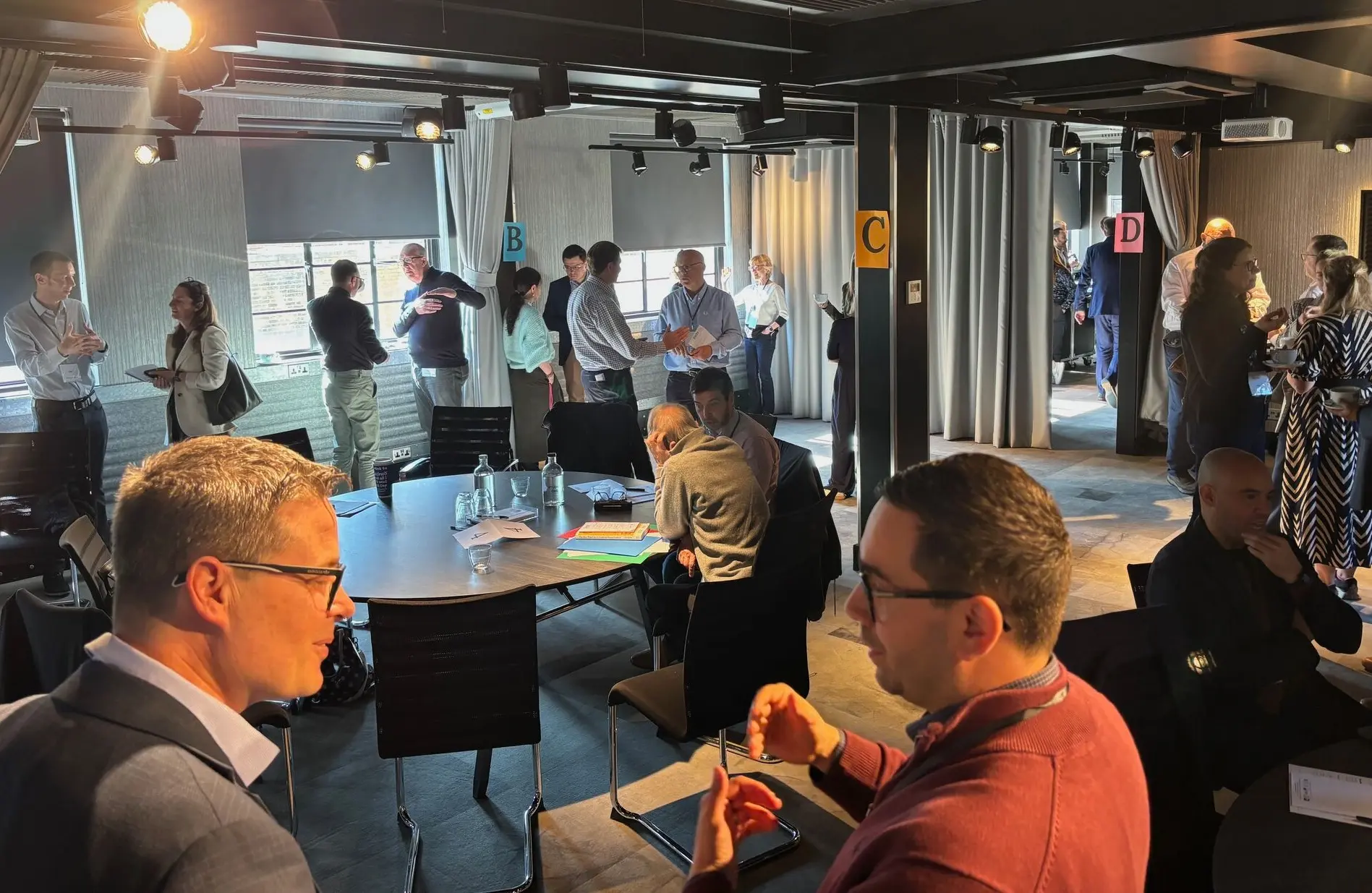
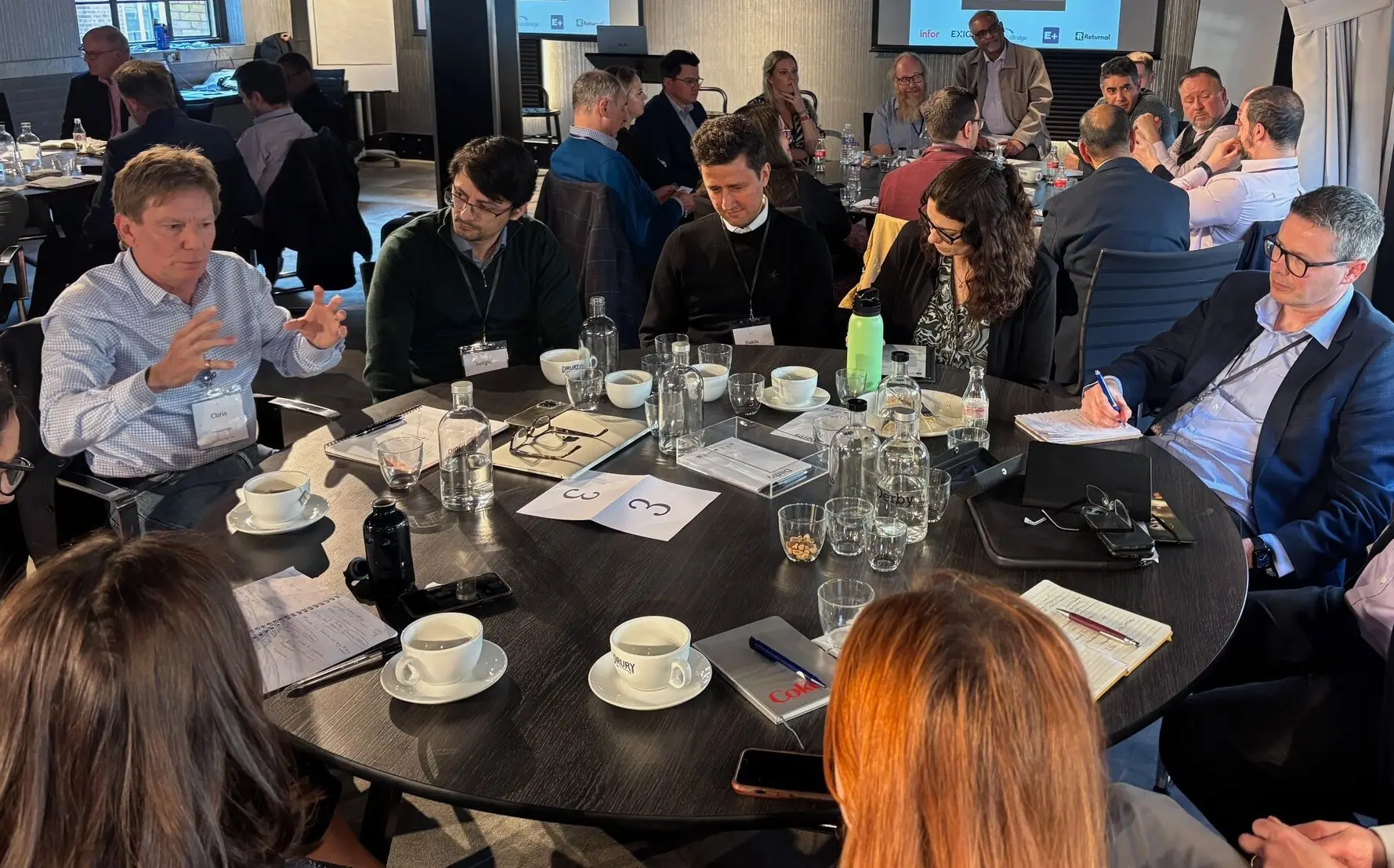
  • Practitioner-led working session
  • No pitches
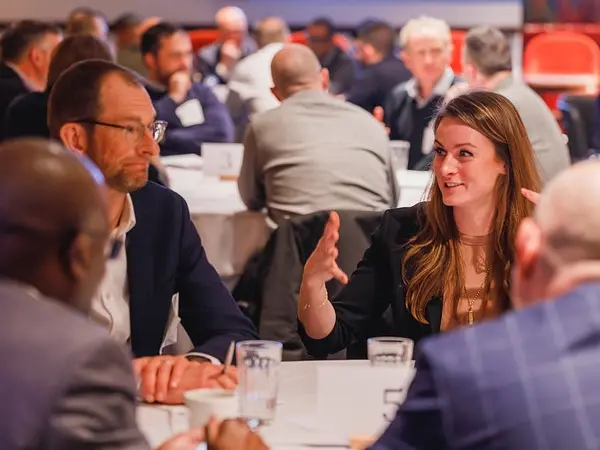
  • Small-group, facilitated discussion
  • Works best when you can engage actively
  • Chatham House Rule
  • Limited places to preserve quality

Why this meeting exists

Many supply chain leaders are facing a familiar pressure: service levels are under strain, inventory is absorbing cost it shouldn't, and the organisation is asking whether it's time to invest in improving planning capability.

The problem is rarely a shortage of options. It's confidence in the diagnosis. Whether the root cause is process, data, tools, organisational structure or some combination, committing to the wrong answer is expensive — not just financially, but in credibility and momentum.

This meeting exists for leaders who want to stress-test their thinking before they commit. Not to be told what to do, but to pressure-test the problem framing, the business case and the sequencing with peers who have been through similar decisions.

To see what a BestPractice.Club in-person meeting looks like in practice, you can view the Spring 2026 Meeting page.

What you'll leave with

  • Greater confidence that you have correctly diagnosed what is actually limiting planning performance.
  • A clearer sense of whether your current investment framing will hold up to scrutiny from finance and the board.
  • Practical perspective on sequencing: what to address first, what to delay, and what to avoid.
  • Peer insight from leaders who have made similar decisions — what worked, what didn't, and what they wish they had tested earlier.

Plenary / panel themes

These whole-room sessions focus on the shared operating context — including common innovation blockers and enablers — that shape everyone’s decisions. Their purpose is to establish a common frame of reference, so that the roundtable discussions can focus on specific capability and decision areas with less ambiguity.

Roundtable discussions

Roundtable discussions run in parallel for 60 minutes at set points during the day (09.50, 12.00 and 14.20), following whole-room sessions that establish shared context. Each roundtable focuses on a specific decision area or challenge and is facilitated to support practical, peer-level exchange rather than passive presentations.

The themes below reflect areas currently being explored based on participant interest and ongoing discussions. Final roundtable topics are confirmed as discussion hosts and participant interest become clearer.

*indicates that this theme is currently under consideration

Focused 1:1 conversations

Alongside group discussions, each in-person meeting includes time for structured 1-to-1 conversations. These are not open networking slots or random introductions.

Ahead of the meeting, participants share a short context profile covering the decisions they are currently working through, their operating environment, and where they are seeking clarity. This allows us to suggest 1-to-1 conversations between participants who are grappling with similar questions, even if their organisations or industries differ.

The aim of these conversations is to go deeper than is possible in group sessions — comparing how decisions are being framed, what trade-offs are being considered, and what has or hasn’t worked in practice.

Best Practice Leaders

Our session leaders are selected for their direct experience of tackling the challenges addressed in this meeting. They participate fully as peers in the room and remain engaged throughout the discussions, sharing practical experience and lessons learned from real decisions.

Discussion Hosts

To be confirmed.

Discussion Co-Hosts

To be confirmed.

How the day works

The day is designed to balance shared context with focused peer discussion, with time built in for informal exchange and follow-up conversations.

Arrival & informal coffee

Settle in, meet other participants, and establish the context for the day.

Whole-room context setting

Shared discussion exploring the operating context, including common innovation blockers and enablers shaping current decisions.

Parallel roundtable discussions

Focused peer discussion around specific decision areas, with groups re-forming across the day to explore different perspectives.

Focused 1:1 exchanges

Time built in throughout the day to follow up conversations, explore overlaps, and connect around shared challenges.

Reflection and next steps

A closing discussion to surface insights, identify areas for follow-up, and explore how ideas move forward beyond the room.

Who this meeting is for

This meeting is designed for people working through real operational and innovation decisions, rather than those seeking presentations or general inspiration.

Who for

This meeting is for you if:

  • You are accountable for planning performance and are considering whether a significant investment in capability, process or technology is the right next step.
  • You are uncertain whether you have correctly identified the root cause of current performance constraints.
  • You are building or preparing to defend an investment case and want to stress-test it before it goes to the board or CFO.
  • You want peer challenge from practitioners who have navigated similar decisions, not presentations or vendor perspectives.

Who not for

This format may not be a good fit if your primary objective or organisational context looks very different:

  • You are primarily looking to pitch products or services
  • You are seeking a traditional conference with formal presentations
  • You are not in a position to engage openly with peers
  • You are attending mainly to gather leads or contacts

This meeting may also be less useful if:

  • You are looking for a ready-made solution rather than working through a decision
  • Your organisation has extensive internal transformation capability and you are primarily seeking implementation support rather than peer sense-making
  • You are attending mainly to validate an already-decided course of action rather than to test and refine thinking

What happens next

Participation is confirmed through a short, staged process designed to ensure a good fit and a productive discussion for everyone in the room.

Step 1: Register interest

Start by registering your interest. This includes a short set of questions to help us understand the decisions on your radar and help shape the final agenda.

Step 2: Confirming fit

We review each request to confirm that the meeting is a good fit, based on role, context, and the focus of the discussion. If it is, we'll confirm your place by email.

Step 3: Shaping the discussion

In advance of the meeting, we may invite you to indicate which discussion areas are most relevant to you and to share any specific questions or challenges you'd like to explore. This helps us finalise the agenda and prepare the sessions so they reflect what participants are actually working through.

Step 4: Final confirmation and preparation

Once the agenda is confirmed, we'll ask you to reconfirm your participation and provide a little more context. This step helps us balance the groups and ensure the discussions are as useful as possible.

Step 5: Your personalised agenda

Ahead of the day, you'll receive a personalised agenda showing which sessions are most relevant to your situation and suggested one-to-one conversations, along with visibility of who else will be attending.

At each stage, we aim to keep the process lightweight and transparent, while protecting the quality of the discussion for everyone involved.

For senior practitioners only