You can see what needs to change...
the hard part is being confident enough in your diagnosis to commit

You've signed up to webinars, read white papers, attended a couple of events and looked at a few solutions — but you still feel like it's a big leap to championing a capability investment project. You're right.

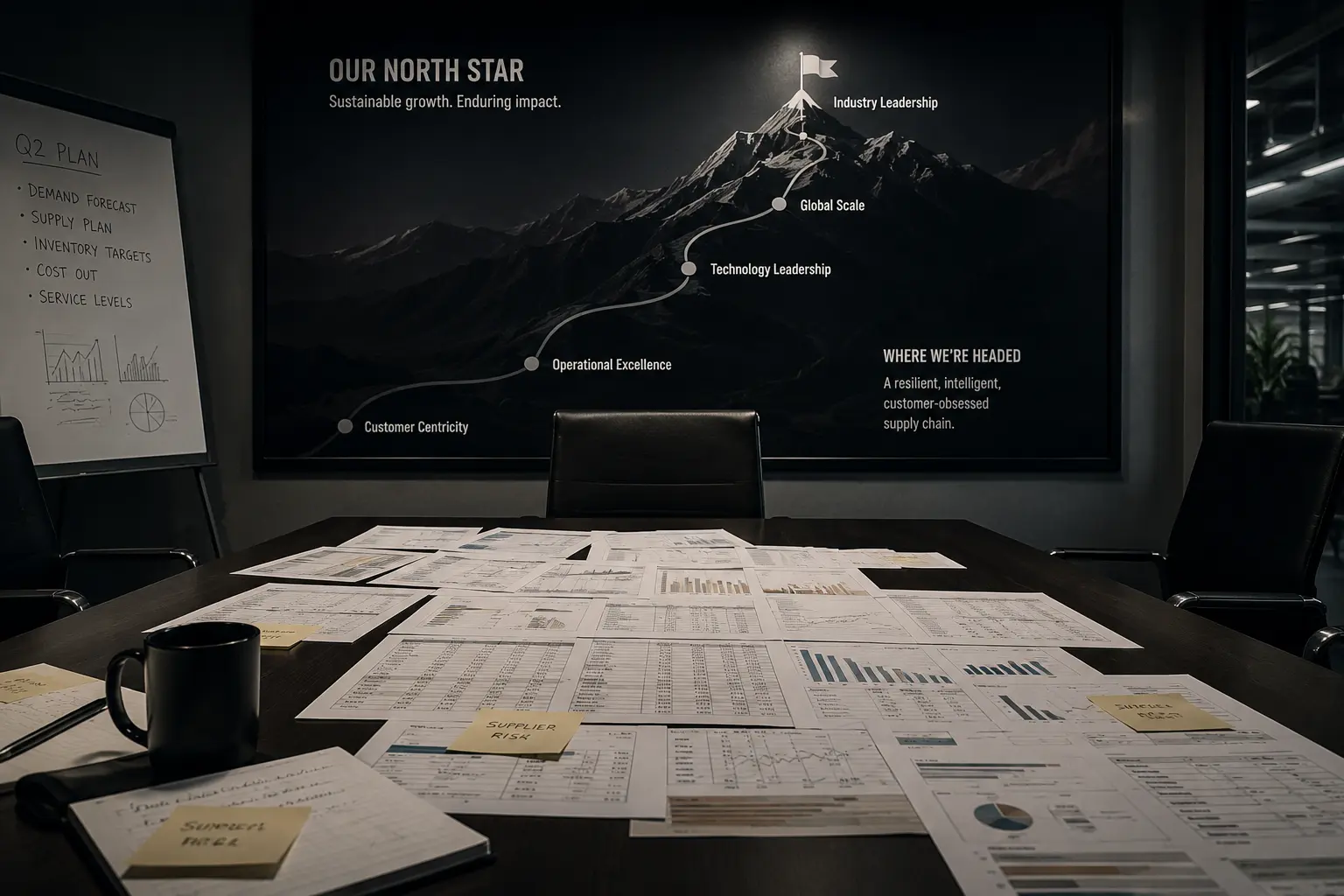
The biggest risk isn't the go-live. It's what happens — or more precisely, what often doesn't happen — between "this could be better" and "we're ready to commit".

Between free vendor-driven content and expensive consultants, there is a gap. That's where the most important thinking tends to get skipped.

Is this you?

You're aware something needs to change but you haven't yet been able to name it clearly enough to know where to start. Read more  →
You're weighing up a significant investment in planning capability and want to know whether your read of the situation is sound before you commit to a direction.  Read more  →
You've been making the case for investment internally but are losing out to projects with a clearer short-term return. Read more  →
You're being asked what you're doing about AI and want to give an answer grounded in practitioner experience rather than vendor claims. Read more  →
You suspect your data isn't good enough to support the investments being discussed, but you're not sure how to define what good enough looks like. Read more  →
Somewhere in between, or just exploring? Browse the Perspectives library by topic or decision stage.

The pattern we keep seeing

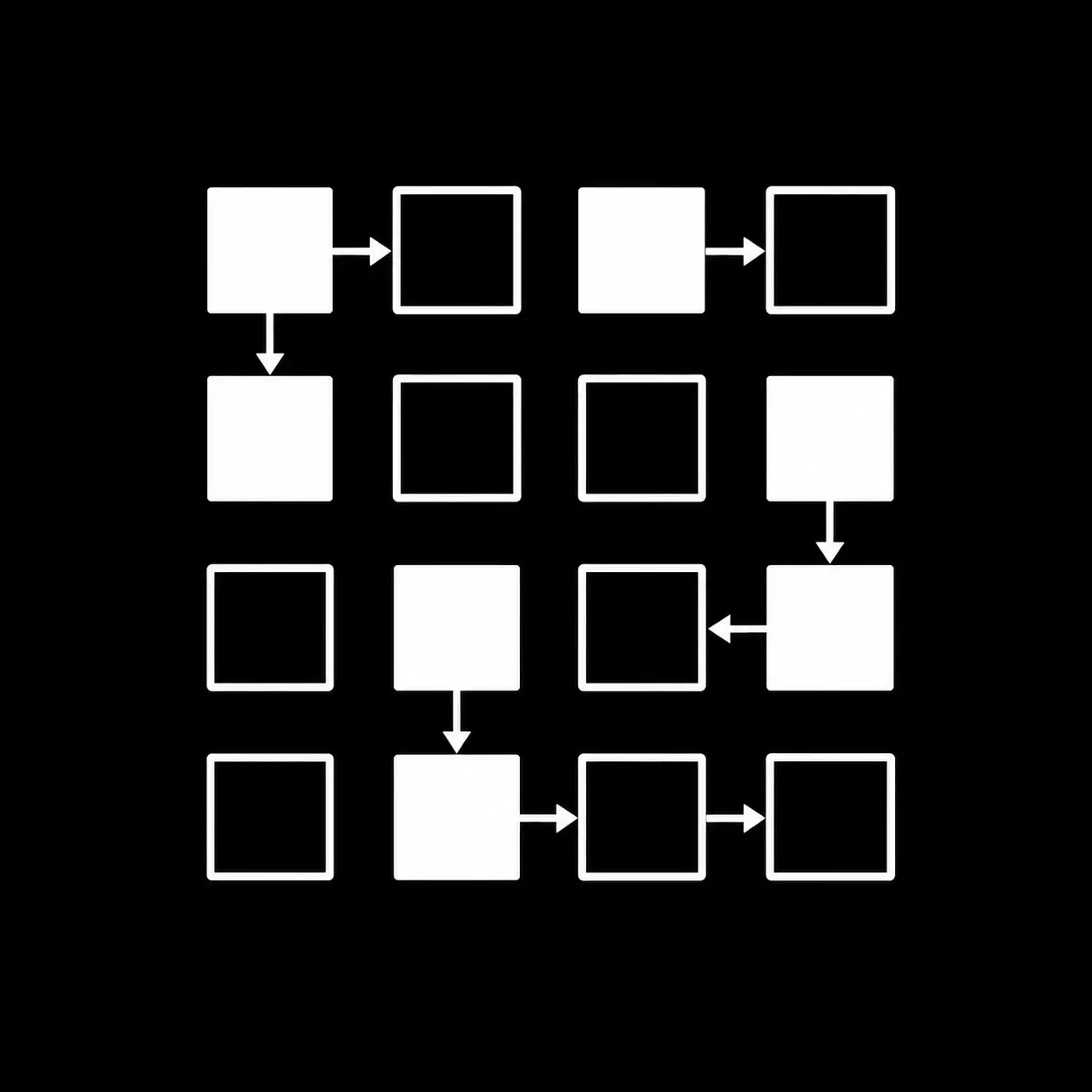
Over five years and many recorded conversations - around eighty percent with practitioners - the same sequence shows up, again and again. The specific technology, the sector, the size and maturity of the organisation varies but the pattern is surprisingly consistent.
Common pattern
What best practice looks like (no regrets)
1 “Burning platform” or internal pressure
1 Continuous strategic review
2 Jump to a solution
2 Operationally-tested strategy and budgets
3 Info gather, demos (low / no cost or risk)
3 Capability / maturity mapping
GAP from ideas to a robust plan
Outside-in peer scrutiny with no commercial stake
4 RFP and selection (higher cost and risk)
4 Finance, ops and IT alignment
5 Reverse-engineer the business case
5 Interdependent and sequenced roadmap
6 Implement, customise, rework...
6 Defined requirements inc. trade-offs and options clarity
7 Underperform; loss of confidence
7 Outcome-based implementation with shared accountability
The OUTSIDE - IN perspective is valuable at every stage but particularly in this GAP, when aspirations become commitments and the cost of getting it wrong becomes real.

See where the outside-in perspective matters most →

Where the pattern shows up

The common pattern applies across supply chain capability areas. Planning is where our evidence is deepest, but the same sequencing failures - and the same no-regrets practices - show up wherever significant capability investment is being considered.
  • Strategy, resilience & sustainability: clarifying long-term direction before locking in structural change.
  • Planning & control: ensuring process, data and incentives align before system commitments.
  • Customer service: balancing service ambition with cost and operational stability.
  • Logistics & execution: reshaping networks and flow without creating fragility.
  • Production: aligning capacity, variability and planning discipline.
  • Supply & procurement: managing supplier relationships and risk exposure during change.
  • Data & analytics: strengthening foundations before layering advanced capability.
Three professionals engaged in a focused discussion at a table with laptops and documents in a conference room.

What BestPractice.Club actually is

A structured environment where senior supply chain practitioners work through real capability decisions together — not in a conference format, not with vendors presenting, and not with a consultant running a discovery process on the clock.The people in the room are at comparable stages of comparable decisions, in organisations with comparable constraints. Conversations are structured around the actual decision in front of you: what you know, what you are assuming, what you have not yet tested, and what comparable organisations have found when they were where you are now.There are no pitches. No one in the room has a commercial interest in which direction you go. That is not a small thing — it is the thing that makes honest discussion of uncertainty possible.BPC does not tell you what to choose. It creates the conditions for you to choose well.

Who it's for

We work primarily with supply chain leaders at organisations usually between 200m and 5bn revenue, with high complexity but constrained bandwidth, making transformation projects particularly high-stakes.

We're for leaders who are approaching a real decision and want to make it well, not rush to a solution or outsource the thinking.

You’re likely in the right place if:

  • you’re leading a strategy, planning, production, logistics, procurement or data transformation.
  • you need to deliver measurable impact.
  • the right sequence of change isn't obvious.
  • you value peer challenge and insight before committing time, money, or credibility.

Who it's not for

BestPractice.Club is not a fit if you’re already clear on what you want to use or are looking for lists of options.

You’ll likely be better served elsewhere if:

  • you want a directory, marketplace, or comparison site to browse solutions
  • you’re looking to engage vendors before clarifying requirements, constraints, and success criteria
  • you want market perspective or trend signals without progressing toward a specific decision
  • you expect recommendations rather than structured exploration and peer challenge
  • you want a third party to run discovery and decide on your behalf
  • you’re not working toward a real decision in the next 3–12 months
Portrait of a woman with long brown hair wearing a black top against a dark gray background.

“A good decision is one that is made with a good process, not one that happens to turn out well.”

— Annie Duke

Where the outside-in perspective helps most

At each stage of a planning transformation decision, the question an honest outside perspective asks is different.

ORIENT
Is this the right project, or are we solving the presenting problem rather than the real one?


TEST ASSUMPTIONS
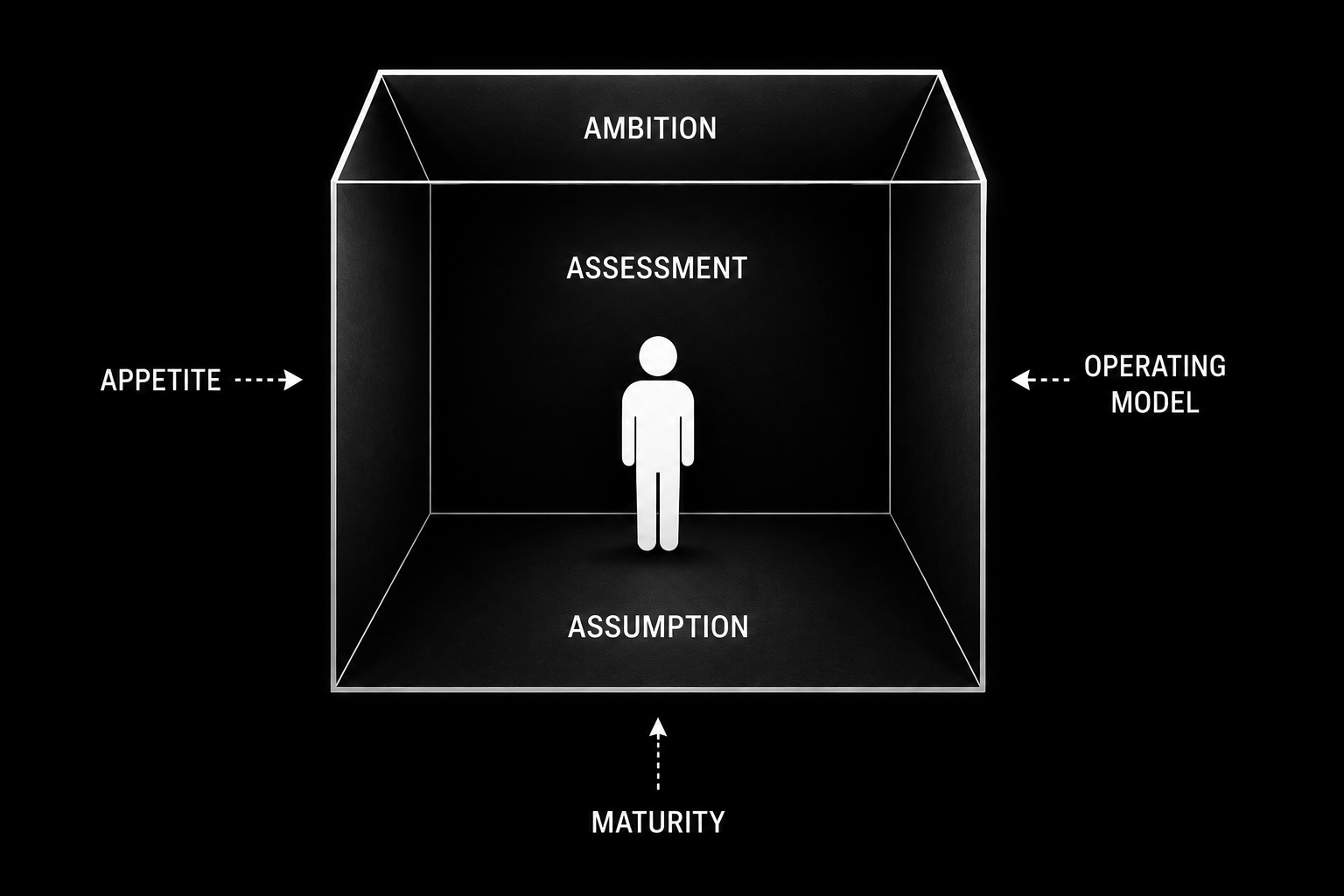
Is our read of the capability gap accurate, or are we about to solve the wrong problem confidently?


BUILD CONFIDENCE
Have we genuinely aligned on the direction, or just avoided the difficult conversations?


COMMIT AND SELECT
Would this plan survive scrutiny from people with no commercial interest in the answer?

The evidence behind this

The pattern described above is consolidated from many recorded conversations with supply chain and operations leaders - around eighty percent of them practitioners - over the last 5+ years. The work of making these insights genuinely context-sensitive is ongoing, but the pattern itself is consistent enough that we are confident to share it.

Cost and commitment

BestPractice.Club is free to engage with at the early stages but it is not casual.
Before you start, it’s important to be clear about what participation really involves.

What it costs today

There is no fee to:

  • participate in open practitioner sessions
  • explore challenges with peers at the orient and test assumptions stages

You will never be asked to pay simply to access ideas, insights, or early peer discussion.

What we ask of you

Participation does come with expectations:

  • Time
    Sessions are designed for focused, decision-relevant discussion, not background listening.
  • Candour
    The value comes from honest discussion of constraints, trade-offs, and uncertainty — not polished success stories.
  • Contribution
    This is not content consumption. Everyone in the room is invited to engage, question, and share.
  • Boundaries
    No self-promotion. No abuse of trust. Conversations are protected so members can speak openly (i.e. the Chatham House Rule).

How costs may evolve later

As decisions move into building confidence and commit & select — where teams want deeper peer input, more structured support, or sustained engagement — some elements may be offered on a paid basis.

This reflects a shift in depth, not access:

  • early stages are open by design
  • later stages involve more structure, time, and facilitation.

How solution providers fit

Many sessions are practitioner-only. Others are hosted by solution providers, in formats designed to support decision-making rather than selling — including case studies, structured challenge exploration, and group demos where practitioners collectively examine a specific approach.

Providers are involved because they bring a cross-industry perspective from working across many organisations and contexts - and because better-prepared practitioners make better clients, with clearer requirements, shorter sales cycles, and fewer late-stage surprises.

Solution provider engagement is:

  • Transparent and explicit
  • Structured around practitioner priorities
  • Aligned to defined requirements and stage of decision.

What's coming up

Next online sessions

See all upcoming sessions →

Next in-person meeting

In-person · London ·12 November 2026

Confidence Before Commitment

A full day for practitioners focusing on how you build the confidence to commit capital, credibility and organisational energy to a capability investment — and stay confident as the journey unfolds. Peer-led, discussion-first, no pitches.

Find out more Register your interest →

Recent Perspectives articles

From Use Case to Value: Where Should You Start with AI in Your Supply Chain?

Most supply chain functions have AI ambitions. Far fewer have a reliable method for identifying which ones are worth pursuing — or a business case that will get the foundational work funded.

Why the Questions That Matter Most in a Planning Transformation Don't Get Answered Well From Inside

Three questions decide whether a planning transformation succeeds. All three are routinely answered from inside the organisation, which is structurally one of the least reliable conditions for answering them honestly.

Why Planning Problems Are Often Strategy Problems in Disguise

Planning transformation conversations consistently surface the same pattern: the presenting problem is operational, but the root cause is strategic. Drawing on a conversation with Chris Turner of StrataBridge, this article examines why S&OP rarely closes the strategy gap, what planning leaders can actually do without authority over strategy, and how reframing IBP as a strategy deployment process changes what the monthly cycle is for.
Browse all Perspectives →